
Search for and explore a wide range of content related to the BRAIN Initiative. This repository includes documents, videos, images, and other resources that are relevant to the BRAIN Initiative and its mission.
Documents arbitrary arrests, torture, and unfair trials targeting pro-democracy supporters. Many victims were monks, women, and members of minority communities.
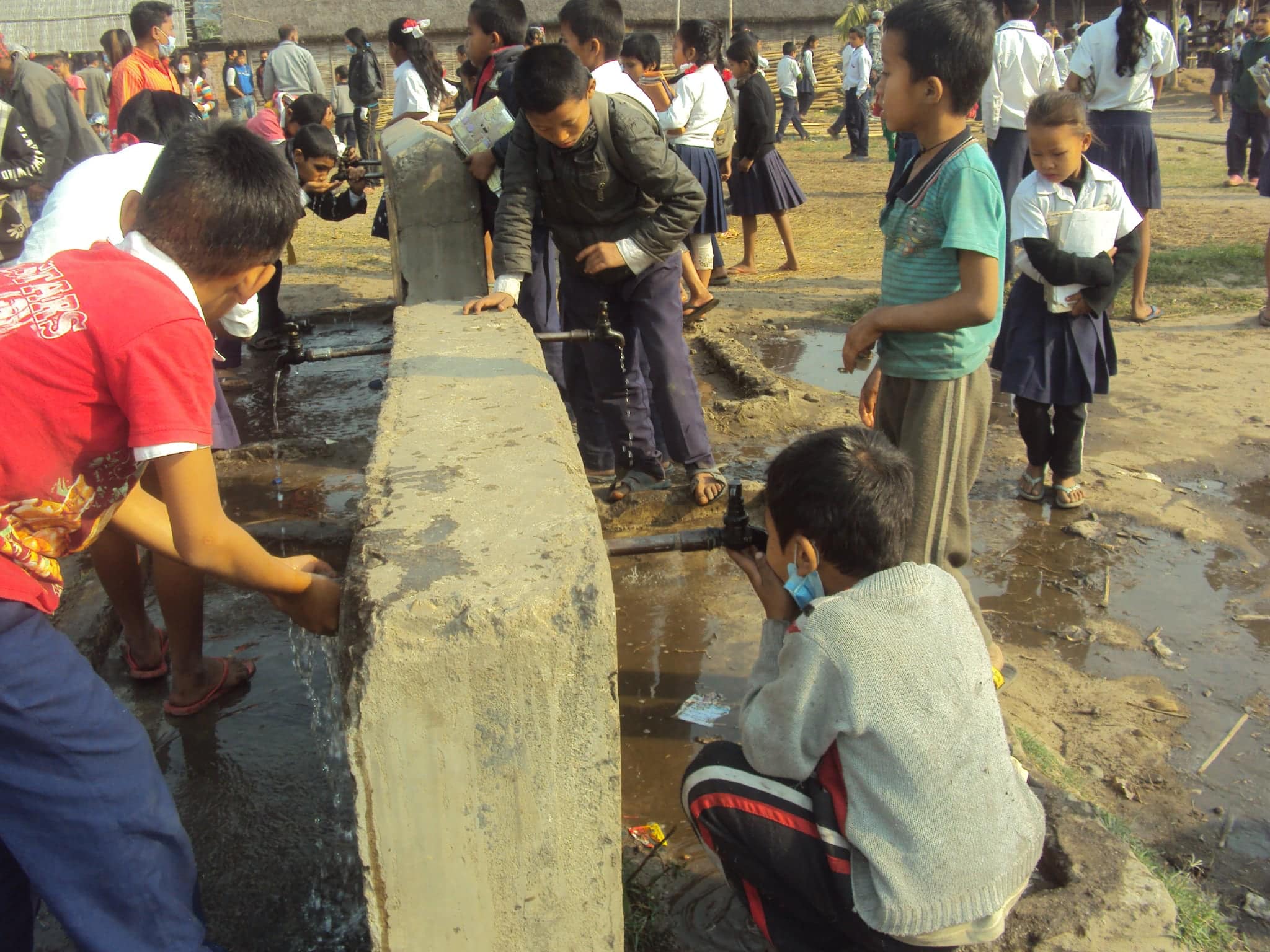
Children playing with tap water
Defines offenses related to national security, treason, and public order, with broad and severe penalties. The Act grants wide powers to restrict assembly and expression, and has been used against political dissent.

BHUTAN GOVERNMENT DOCUMENTS

Details continued repression, lack of judicial independence, and discrimination against minorities. Confirms large-scale displacement and worsening refugee conditions in Nepal.
CHANDRA SITOULA AUDIO
3 SISTERS ARATI,KHINA & MALATI
Bhutanese Refugee Tilchan Dulal Giving an Oral History
Analyzes international law on nationality and statelessness using the Bhutanese refugee crisis as a case study. Affirms that the right to return does not depend solely on formal citizenship.

Describes Bhutan as a monarchy with limited civil and political freedoms. Notes unresolved refugee crisis and ongoing restrictions on speech and assembly.

Examines state control over religious practice and discrimination against minority faiths. Links religious restrictions to broader citizenship and identity policies.

Reports torture allegations, suppression of dissent, and restrictions on religion. Nearly 97,000 Bhutanese refugees remain in camps in Nepal.

Highlights continued limits on political participation and civic rights. Families of refugees face employment restrictions and social exclusion.

Finds Bhutan’s human rights record remains poor despite modest legal reforms. Refugee crisis and denial of nationality remain unresolved.

Documents resettlement of populations onto land vacated by refugees. Notes limited reforms alongside persistent human rights violations.
Addresses the plight of approximately 90,000 Bhutanese refugees living in Nepal and India. Calls for good-faith negotiations, impartial verification, and respect for the right to return.
Details mass arrests, torture, and incommunicado detention of pro-democracy activists, monks, and minorities. At least 150 possible prisoners of conscience were detained without charge.
Reaffirms the right to nationality and return for long-term refugees. Urges Bhutan to review citizenship laws and halt resettlement on refugee land.
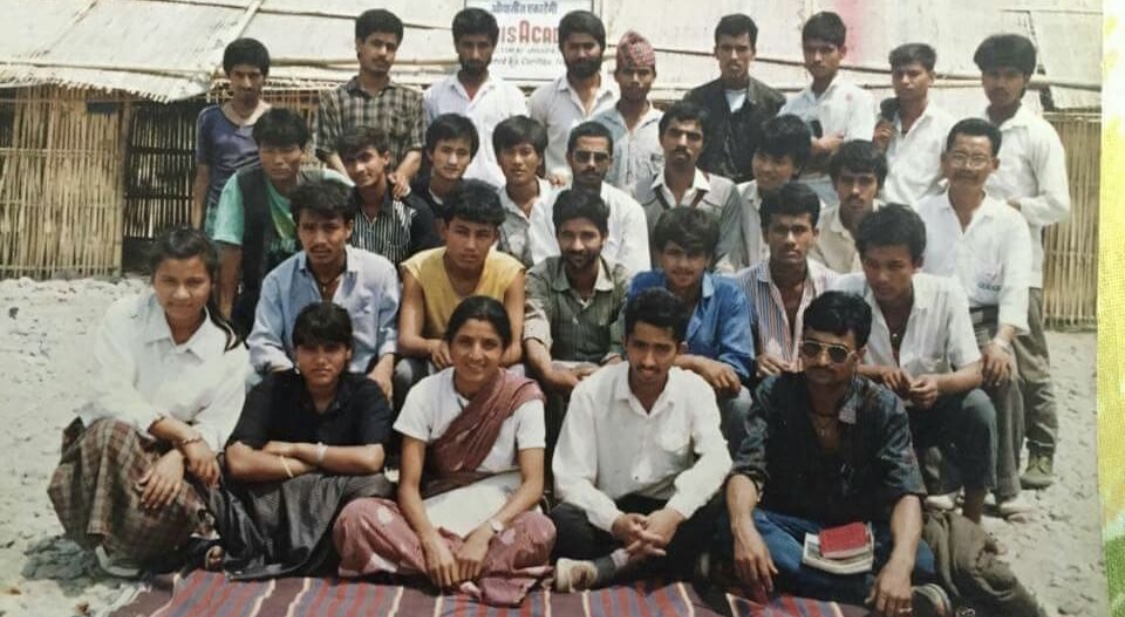
Building school in camp
Summarizes Bhutan’s participation in major international human rights treaties. Highlights limited ratification and delays in reporting obligations.
Highlights modest legal reforms and the release of a long-term prisoner of conscience. Discrimination continued, and refugee repatriation talks made little progress.

Reports arbitrary arrests, torture, and forced displacement of ethnic Nepali Bhutanese. Marks the early documentation of the Bhutanese refugee crisis and lack of accountability.
Serves as the administrative guide for citizenship classification, registration, and annual census procedures. The handbook institutionalizes earlier nationality and citizenship laws, reinforcing documentation requirements that affected legal status.
Reports continued political repression, arbitrary detention, and stalled negotiations over the return of Bhutanese refugees. Amnesty International calls for fair trials and the release of prisoners of conscience.
Notes limited political reforms alongside continued torture, unfair trials, and long sentences for political prisoners. Discriminatory actions against refugee families and minorities persisted.
Introduces stricter conditions for citizenship, including long residency requirements, cultural assimilation, and government discretion. Citizenship could be denied or revoked for perceived disloyalty or association with “anti-national” activities.
Defines the earliest legal framework for Bhutanese nationality, based primarily on paternal descent, land ownership, and loyalty to the state. The law also allows deprivation of nationality for residence abroad, disloyalty, or actions against the King, people, or country.
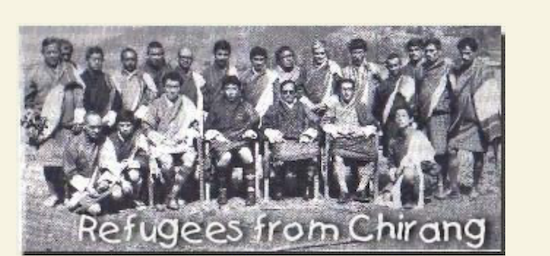
Uses a 1982 group photograph of elected officials from Chirang district to trace the fate of southern Bhutanese leaders. Most individuals shown—once respected representatives—later became refugees, prisoners, or victims of forced displacement, illustrating the broader refugee crisis.
Warns that refugees remain without verification, representation, or progress toward return. Calls on the international community to break prolonged silence and act decisively.
Reports that over 100,000 mostly Lhotsampa refugees fled Bhutan due to denial of citizenship, discrimination, and human rights abuses. The report also notes continued land confiscation and political barriers preventing refugee return.
Details humanitarian strain in refugee camps and lack of progress in bilateral negotiations. Calls on Bhutan, Nepal, and international actors to enable safe and dignified return.
Expresses concern over prolonged displacement and disputed nationality status. Encourages impartial verification and voluntary return in safety and dignity.
Regulates marriage through mandatory certification and imposes restrictions on marriages involving non-Bhutanese. The Act limits social, economic, and professional rights of Bhutanese citizens who marry non-nationals.
Reiterates concern over nearly 98,000 Bhutanese refugees living in camps in Nepal. Urges verification, donor support, and early voluntary repatriation with UNHCR involvement.
Documents the mass displacement of southern Bhutanese following discriminatory citizenship laws and census practices. The report records forced evictions, torture, and prolonged refugee life in camps, emphasizing the refugees’ demand for return and justice.
Highlights prolonged displacement, risk of statelessness, and stalled negotiations affecting Bhutanese refugees. Affirms the right to nationality and voluntary return under international law.
Documents the forced displacement of tens of thousands of Nepali-speaking Bhutanese through census abuses and discriminatory citizenship policies. Amnesty International finds that many refugees were coerced into exile and retain the right to return under international law.
Further tightens citizenship rules by formalizing census registration, language proficiency, cultural knowledge, and loyalty requirements. The Act enables termination of citizenship and confiscation of property, contributing to widespread exclusion and statelessness.
Provides background on Bhutan’s political system, governance, society, and national policies. Serves as contextual groundwork for understanding later citizenship laws and the refugee crisis.

Reports ongoing discrimination against ethnic Nepalese and arbitrary detention. Refugee negotiations remain stalled with no progress on repatriation.
Provides an overview of the Bhutanese refugee crisis, with around 96,000 refugees living in camps in eastern Nepal. The profile highlights stalled repatriation talks and UNHCR’s role in advocating for a humanitarian solution.
Expresses concern over the mass displacement of Nepali-speaking Bhutanese refugees. Calls for voluntary repatriation, minority protection, and revision of discriminatory policies.